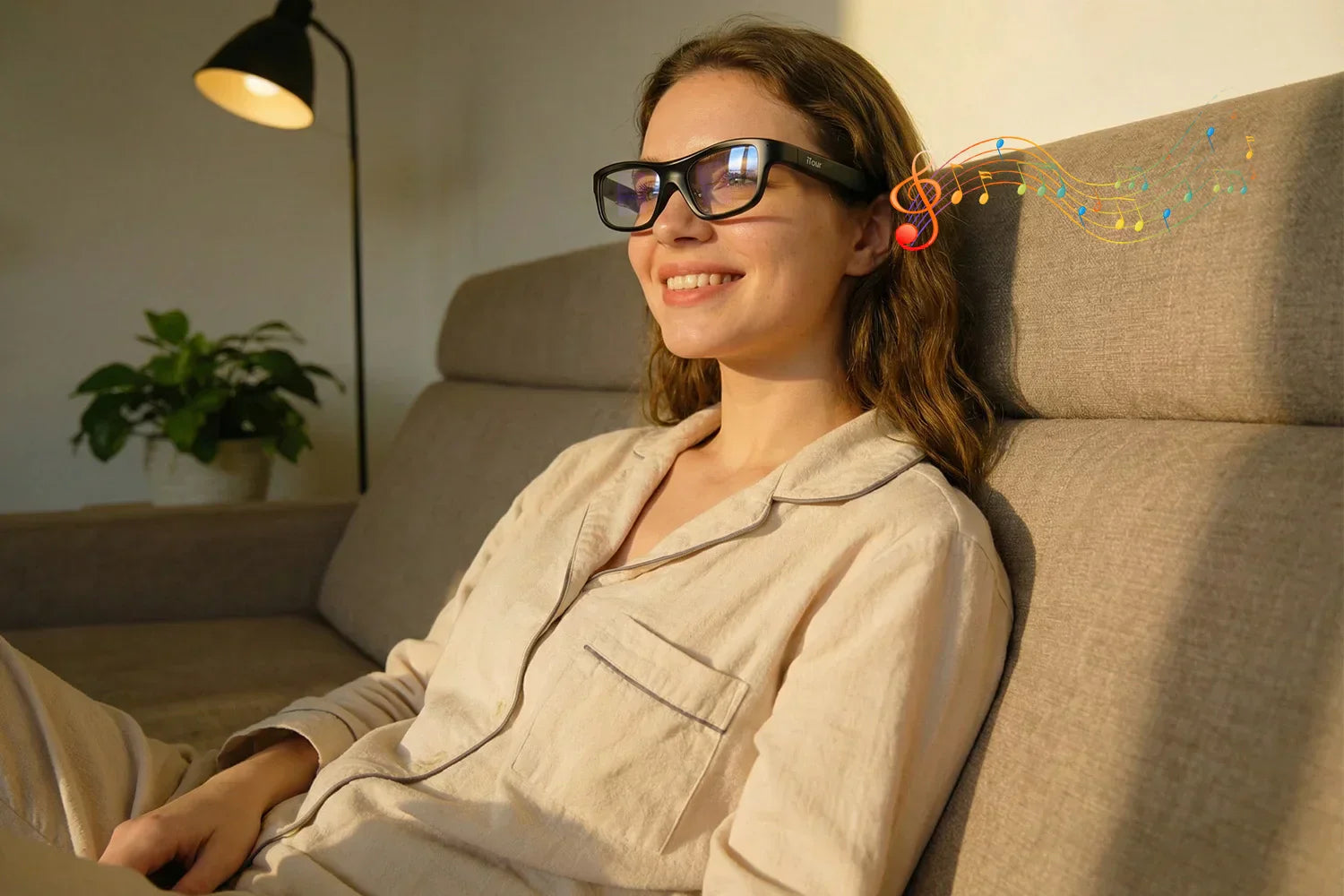
Smart glasses are quickly becoming one of the most practical and exciting wearable technologies today. What once felt like a futuristic concept is now turning into something people can actually use in daily life—from communication and navigation to entertainment and productivity.
But with so many new models emerging, one question remains:
What are the best smart glasses on the market right now?
In this guide, we’ll explore what makes smart glasses truly useful, the features that matter most, and how to choose the right pair.
What Are Smart Glasses?
Smart glasses are wearable devices that combine traditional eyewear with digital capabilities. Instead of constantly checking your phone, they allow you to access information in a more natural, hands-free way.
Depending on the model, smart glasses can offer:
- Real-time translation
- Augmented reality (AR) displays
- AI-powered assistance
- Built-in audio for music and calls
- Navigation and notifications
Key Features to Look for in Smart Glasses
Not all smart glasses are designed with real-world usability in mind. If you're choosing a pair, these are the features that truly matter.
1. Heads-Up Display Experience
A great pair of smart glasses should make information effortlessly accessible—without pulling your attention away from the world around you.
Key factors to look for include:
- A clear and easy-to-read display
- Minimal latency for smooth, real-time interaction
- A comfortable viewing experience for extended use
2. AI Assistant Capabilities
AI is quickly becoming a standard feature in modern smart glasses, transforming them into more than just display devices.
With built-in AI assistance, you can:
- Ask questions on the go
- Get instant answers
- Control functions using voice commands
This creates a more intuitive, hands-free experience in both everyday and professional settings.
3. Built-in Audio & Music
Most smart glasses today include integrated audio features, making them more versatile for daily use.
This allows you to:
- Listen to music
- Take calls
- Stay connected without needing earbuds
Many models use open-ear audio, so you can still remain aware of your surroundings.
4. Real-Time Translation
One of the most practical features—especially for global users—is real-time translation.
Top smart glasses can:
- Translate conversations instantly
- Display subtitles in real time
- Support multiple languages
5. Comfort & Everyday Wearability
Smart glasses should feel as natural as regular eyewear.
Look for:
- Lightweight construction
- Balanced design
- A style suitable for daily wear
How Smart Glasses Are Used Today
Smart glasses are no longer niche—they’re becoming part of everyday routines.
1. Travel & Communication
Instead of relying on translation apps, users can:
- Understand conversations instantly
- Read menus and signs
- Communicate more naturally
2. Work & Productivity
For professionals, smart glasses enable:
- Seamless communication
- Hands-free multitasking
- Faster access to information
3. Learning & Education
Students and language learners benefit from:
- Real-time subtitles
- Instant explanations via AI
- More immersive learning experiences
4. Daily Convenience
With AI and built-in audio, users can:
- Listen to music on the go
- Take calls effortlessly
- Access quick information when needed
Challenges in Current Smart Glasses
Despite rapid development, many smart glasses still face limitations:
- Bulky or uncomfortable designs
- Overly complex features
- Limited real-world practicality
That’s why it’s important to focus on devices that prioritize usability.
What Makes the Best Smart Glasses in 2026?
The best smart glasses today are no longer defined by how futuristic they look, but by how well they fit into everyday life. As the technology matures, the focus has shifted from novelty to practicality—users care more about real-world usability than experimental features.
The most effective smart glasses enhance daily experiences without adding complexity. They should feel intuitive, lightweight, and easy to use from the moment you put them on.
In general, the best smart glasses should:
- Feel natural and comfortable for all-day wear
- Offer useful features like translation, AI assistance, and audio
- Reduce reliance on your phone rather than add distraction
- Integrate seamlessly into daily routines
A Smart Option That Feels More Practical
After looking at several smart glasses, many still feel somewhat experimental—either bulky or not quite suited for everyday use.
Some newer models are beginning to take a more practical approach. The A1 smart glasses are a good example, focusing on features people actually use—like real-time translation, a simple AI assistant, and built-in audio for calls or music.
In daily use, the experience feels more natural, without constantly reaching for your phone. They’re also lightweight enough to wear comfortably, which isn’t always the case with this category.
Overall, it’s a more grounded approach that fits better into everyday life.
Final Thoughts
Smart glasses are no longer just a concept—they’re becoming a meaningful part of modern technology. As the category evolves, the focus is shifting from novelty to real-world usability.
If you're looking for the best smart glasses on the market, the key is to choose a device that genuinely fits into your daily routine.
Because ultimately, the best technology isn’t the most complex—it’s the one you actually use.



1 comment
Lily
Are there any “smart glasses” that can translate written word? Similar to how Google Translate’s camera function works.
Leave a comment
This site is protected by hCaptcha and the hCaptcha Privacy Policy and Terms of Service apply.