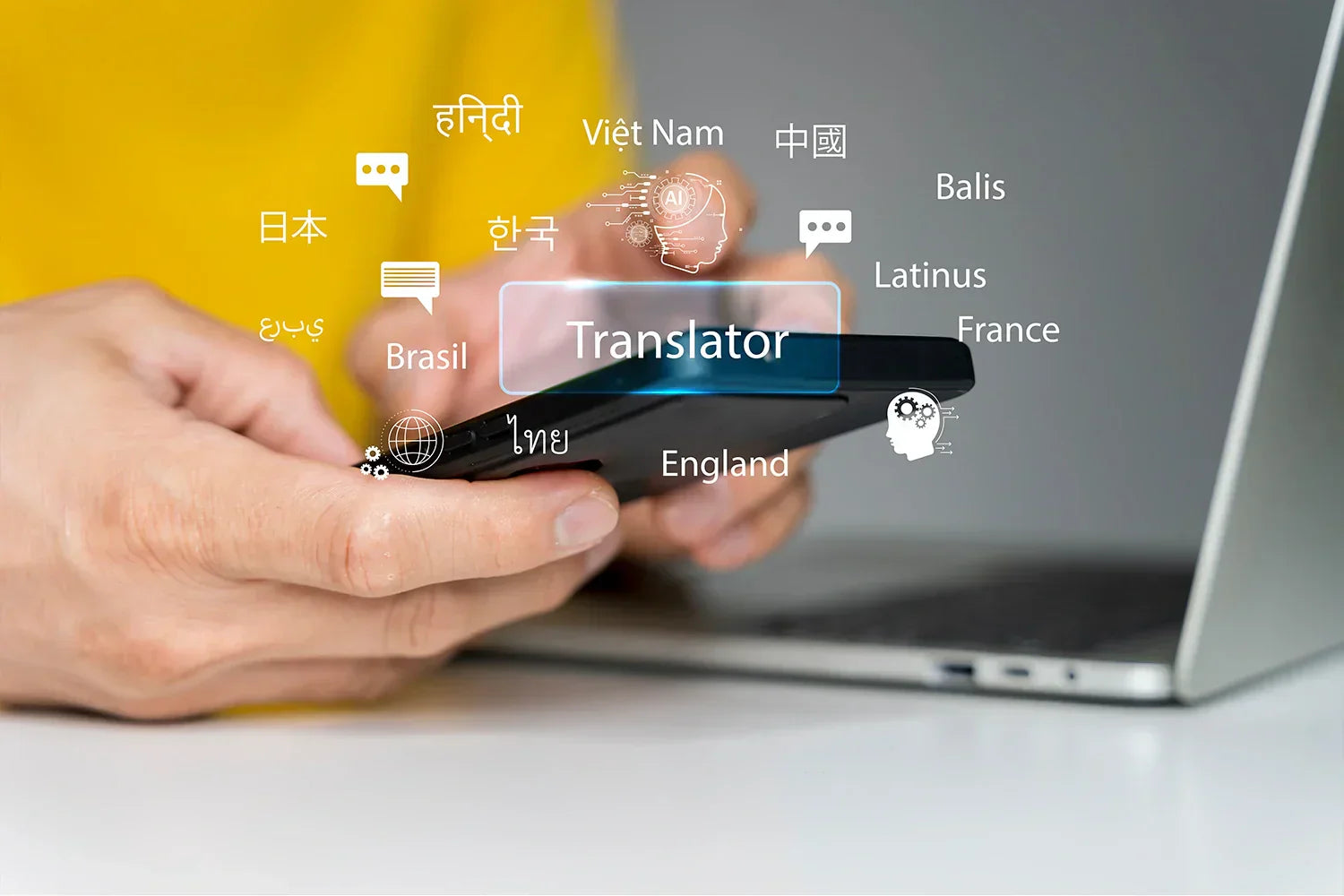
How to Choose the Best Translation Tool for Your Needs
With so many translation tools available today, choosing the right one can quickly become overwhelming. From mobile apps and dedicated devices to advanced AI-powered platforms, each option promises fast and accurate translation—but they don’t all serve the same purpose.
The reality is simple: the best translation tool depends on how you plan to use it. A solution that works well for translating text messages might not perform as well in real-time conversations. Likewise, something designed for travel may not meet the needs of students or professionals.
Before making a decision, it’s important to understand what you actually need—whether it’s quick translations, hands-free communication, or highly accurate text processing.
Types of Translation Tools: Apps, Devices & AI Explained
Before diving into comparisons, it helps to understand the three main categories of translation tools and how they work.
Translation Apps
Translation apps such as Google Translate, DeepL, Microsoft Translator, and Apple Translate are the most widely used tools. They run on smartphones and are ideal for quick translations, reading foreign text, or handling simple conversations.
Translation Devices & Earbuds
This category includes hardware specifically designed for communication, such as real-time translation earbuds and handheld translator devices. These tools are built for face-to-face conversations and are commonly used in travel, business, and multilingual environments.
AI-Based Translation Tools
AI-powered tools like ChatGPT and DeepL Write are designed for more advanced language tasks. They are best suited for translating longer content such as emails, documents, or academic writing, offering more context-aware and natural results.
Key Differences at a Glance
Here’s a quick comparison to help you understand how these tools differ:
| Feature | Apps | Devices & Earbuds | AI Tools |
|---|---|---|---|
| Real-time conversation | Limited | Excellent | No |
| Hands-free use | No | Yes | No |
| Accuracy | Medium–High | High | Very High |
| Offline support | Limited | Strong (some models) | No |
| Ease of use | Easy | Moderate | Easy |
| Best for | Casual use | Travel & conversation | Text & content |
Each type has its strengths, and the right choice depends on what you need most.
Translation Apps vs Devices vs AI: Pros and Cons Explained
Now that we’ve covered the main types of translation tools, let’s take a closer look at how each one performs in real-world situations.
While all of these tools aim to solve language barriers, they are designed for very different use cases. Understanding their strengths and limitations will help you choose the right solution based on how you actually communicate.
Translation Apps
Translation apps are the most common and widely accessible tools. Popular options include Google Translate, DeepL, Microsoft Translator, and Apple Translate.
These apps run directly on your smartphone and are designed for quick, everyday translation—such as translating text, short conversations, menus, or signs.
Pros
- Free or low cost
- Easy to access and use
- Supports a wide range of languages
- Convenient for quick translations
Cons
- Not ideal for real-time conversations
- Requires constant phone interaction
- Can interrupt natural communication flow
- Accuracy may vary depending on context
Translation apps are a great starting point, but they can feel limiting in more dynamic situations.
Translation Devices & Earbuds
This category includes dedicated hardware designed specifically for communication. Common examples include real-time translation earbuds and handheld translator devices.
Unlike apps, these tools are built for live, two-way interaction. Earbuds enable hands-free conversations, while handheld devices often provide visual translations on screen—making them especially useful for travel.
Pros
- Real-time, two-way translation
- More natural conversation flow
- Hands-free communication (earbuds)
- Designed for in-person interaction
- Often supports offline use (device-dependent)
Cons
- Requires setup or pairing
- Higher upfront cost
- Battery dependency
- May rely on companion apps
These tools are ideal for users who frequently communicate across languages in real-life situations.
AI Translation Tools
AI-based translation tools, such as ChatGPT and DeepL Write, are designed for more complex and context-aware translation.
They are typically used for translating longer content—like emails, documents, or academic material—where tone and accuracy are important.
Pros
- Highly accurate and context-aware
- Produces natural, human-like translations
- Ideal for writing and professional use
- Can adjust tone and style
Cons
- Not suitable for live conversations
- Requires internet connection
- Not designed for spoken interaction
- Less convenient for quick use
AI tools are powerful for written communication, but they don’t replace real-time translation solutions.
Which Translation Tool Is Best for Different Scenarios?
Different situations call for different tools. Here’s how they typically compare:
For International Students
A combination of apps and earbuds works best. Apps help with studying and reading, while earbuds improve daily communication.
For Travelers
Translation devices and earbuds are the most practical choice. They allow quick communication in real-world situations like ordering food or asking for directions.
For Business & Meetings
Translation earbuds combined with AI tools offer the best balance between real-time communication and written translation.
For Content Creation & Study
AI tools are the most effective, especially when accuracy and context matter.
Key Factors to Consider Before Choosing
Before selecting a translation tool, consider the following:
- Do you need real-time conversation or text translation?
- Will you use it on the go or in a fixed setting?
- Is offline functionality important?
- Do you prefer hands-free communication?
- What’s your budget?
Ultimately, the best translation tool is the one that fits naturally into your daily routine.
Future Trends in Translation Technology
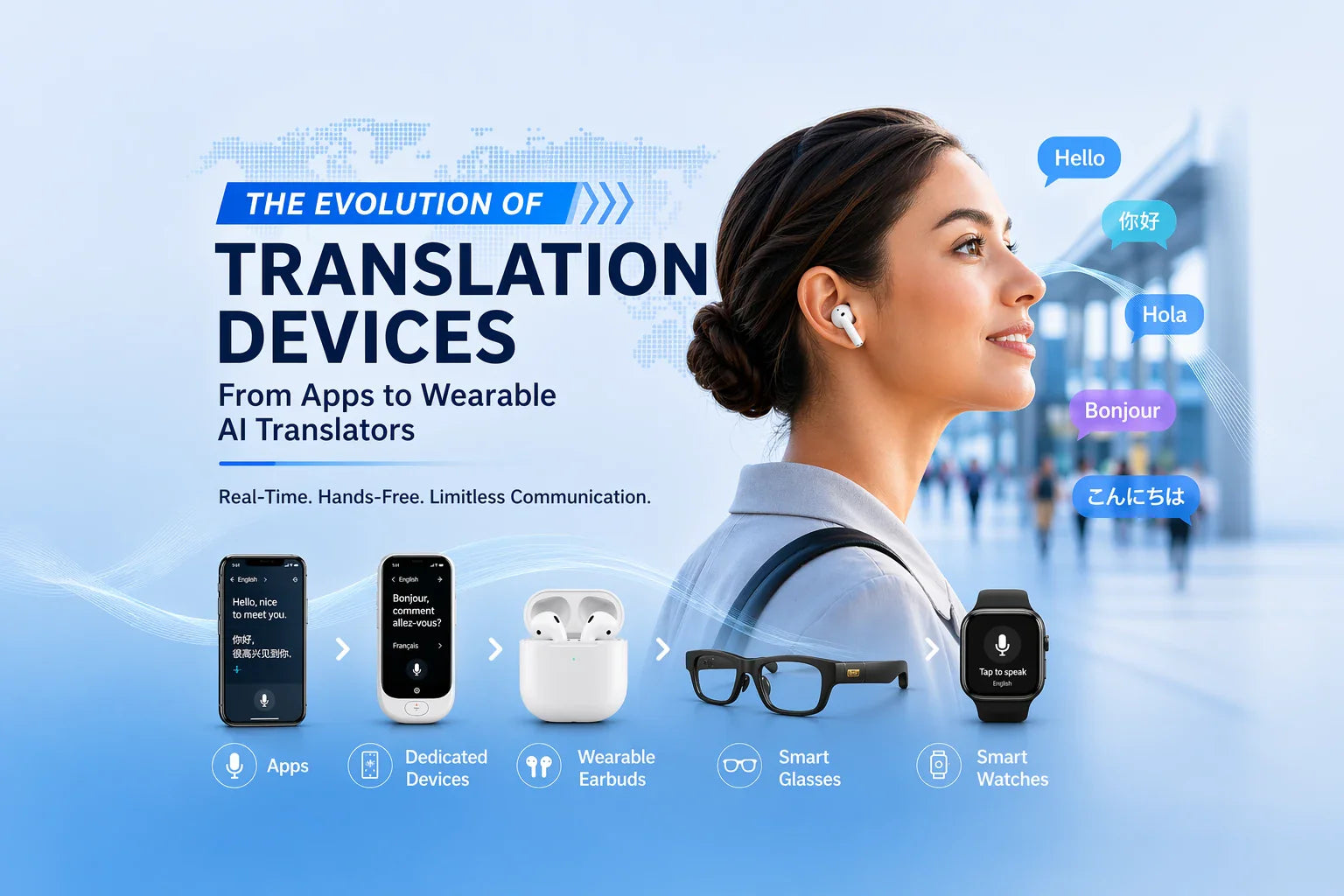
Translation technology is evolving rapidly, especially with the integration of AI and wearable devices.
We are seeing a shift toward:
- Real-time subtitles in smart glasses
- More natural and context-aware translations
- Seamless communication across languages
In the near future, language barriers will become even less noticeable in everyday life.
Conclusion: Choose Based on Your Needs
There is no one-size-fits-all translation tool.
Apps are convenient and accessible, AI tools are powerful for written content, and dedicated devices offer the most natural real-time communication experience.
The key is understanding your needs—and choosing a tool that supports how you communicate in real life.


1 comment
Darius Bacani
The Translation Tool from Undetectable.ai is perfect when I need fast translations without losing context.
Leave a comment
This site is protected by hCaptcha and the hCaptcha Privacy Policy and Terms of Service apply.